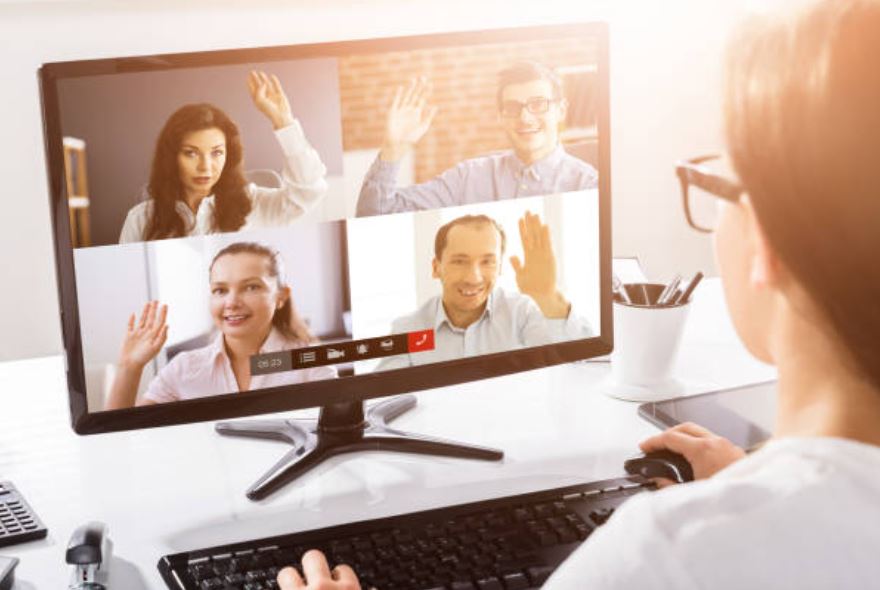
Building Relationships and Managing Effectively in a Remote Workforce: A New Playbook for Managers

Managing remote employees presents unique challenges that can’t be overlooked. Traditional office management skills alone won’t work. To foster productivity, engagement, and trust, managers must adjust their approach in the remote environment, focusing on relationship-building, clear communication, and understanding the nuances of a virtual workspace. This article explores strategies to help remote managers thrive by adopting a people-first approach and leveraging new tools and techniques.
The Importance of Relationship Building in Remote Management
In traditional office settings, managers often rely on proximity to build relationships with their teams. Simple interactions—grabbing coffee together, chatting by the water cooler, or even seeing family photos on desks—help managers learn more about their employees’ lives. This kind of context is essential for understanding employees’ challenges, priorities, and overall well-being. But in a remote environment, these opportunities for casual interactions disappear.
To overcome this, managers must proactively create opportunities for connection. For instance, starting new managerial relationships by asking about employees’ personal lives, family, and interests can help lay a foundation of trust. Sharing some of your own life experiences can humanize you as a manager, helping employees feel seen not just as workers but as people. This trust and understanding become crucial when it’s time to provide feedback or challenge employees, as they’ll be more open to growth knowing that you care about them personally.
The Hidden Differences Between Traditional and Remote Management
On the surface, managing a remote team might seem similar to managing in an office: meetings are held, deadlines need to be met, and the work must go on. However, the subtle feedback cues that managers rely on in person don’t exist in the virtual world. This difference can have a profound effect on communication and employee satisfaction.
Consider a scenario where a manager, Joe, makes a decision that doesn’t sit well with the team. In a traditional office, the signs of discontent would be visible: employees might go quiet, look away, or even avoid the manager. Joe could immediately recognize the unease and make adjustments. In a remote setting, however, these signs are invisible. While frustration may be brewing among employees, the manager remains unaware. By the time Joe realizes there’s a problem, it may have already spread across the entire team without him knowing.
Adjusting to the Remote Work Communication Flow
In a remote team, feedback and information travel differently. Conversations that might have taken place in a quick face-to-face chat can now ripple through multiple channels, from personal calls to group chats, before they reach you as a manager. This can create a sense of isolation for employees who feel they’re struggling without the ability to vent or seek support from colleagues nearby.
To mitigate this, it’s essential to establish regular check-ins and encourage open communication across the team. Tools like instant messaging platforms or dedicated video call “coffee breaks” can offer spaces for employees to share ideas or concerns in a more relaxed environment. The key here is fostering a culture of transparency and creating opportunities for employees to feel heard without always needing to reach out directly to the manager.
Proactive Communication Tips for Managers:
- Scheduled One-on-Ones: Set aside time to check in with each team member individually. This can serve as a pulse check on how they’re feeling professionally and personally.
- Team Brainstorming Sessions: Host virtual brainstorming sessions where all voices are encouraged to contribute. This can keep everyone engaged and involved in decision-making.
- Casual “Coffee Break” Chats: Dedicate time for informal catch-ups to replace the organic conversations that would naturally happen in an office setting.
Tools to Strengthen Remote Collaboration
Remote work requires strong communication tools to maintain efficiency and collaboration. A key difference from traditional office settings is the lack of immediate feedback—whether through a nod or a smile—that employees typically get from their managers. As a remote manager, it’s essential to use tools that allow for feedback to be more visible and structured.
Programs that enable document sharing and collaboration can be a powerful way to enhance communication. These platforms allow employees to see how their contributions fit into the bigger picture and how their work is being used. Additionally, commenting features within these programs can provide a formal way to acknowledge an employee’s ideas and contributions.
Recommended Tools for Remote Teams:
- Document Sharing Platforms: Tools like Google Workspace or Microsoft Teams provide a collaborative space where documents can be shared, edited, and commented on.
- Project Management Software: Use platforms like Asana or Trello to keep track of tasks and ensure that team members know where their work fits into the overall project.
- Instant Messaging Apps: Tools like Slack or Microsoft Teams offer quick communication channels that mimic the casual conversations of an in-person office.
Maintaining Team Engagement and Satisfaction Remotely
As a manager, your engagement with employees is crucial to their success. Without the face-to-face interaction that naturally occurs in an office, remote employees can quickly feel disconnected from the company and its goals. That’s why it’s so important to keep communication flowing and ensure employees know their contributions are valued.
The remote manager must be the vital link that ties employees to the organization. Providing recognition in meaningful ways and ensuring contributions are acknowledged can boost morale and productivity. High engagement levels often lead to higher job satisfaction, resulting in more motivated and loyal team members.
Key Actions to Boost Engagement:
- Provide Constructive Feedback: Go beyond the simple “Thanks!” and offer meaningful responses to show you’ve thoroughly considered your employee’s work.
- Recognize Contributions Publicly: Shout out individual accomplishments during team meetings to reinforce a culture of appreciation.
- Offer Opportunities for Growth: Discuss career paths with your employees regularly and provide opportunities for development, even in a virtual setting.
Conclusion: Embrace a New Management Playbook
The old playbook for managing in traditional office settings doesn’t translate directly to remote work. To thrive as a remote manager, you need to build strong relationships, foster proactive communication, and use the right tools to support collaboration and feedback. Most importantly, understanding that the virtual world requires a shift in how we connect and engage with employees will ensure long-term success for both managers and teams. By embracing these changes, you’ll be well-equipped to lead your remote team to greater productivity and job satisfaction.